
Phonological Awareness vs Phonics — What's the Difference and Why Does It Matter?
I recently had a conversation with a mum who told me she'd taught her child to read when they were 15 months old… and I immediately thought "what about her phonological awareness?". Phonological awareness seems to be this abstract thing that gets missed out of a child's early literacy journey so often, and yet it's the very foundation on which phonics builds.
If you aren't sure of the difference between phonological awareness and phonics, you're not alone. These two terms get used interchangeably all the time, but they're not the same thing. Understanding the difference could genuinely change how you support your child's reading at home.
Research consistently shows that at least 80% of children who struggle to read have a weakness in phonological awareness, not a lack of phonics instruction or knowledge.
In this post I'm going to clear up what both terms actually mean, how they work together, and, most importantly, what you can do at home to support both.
First Things First: What Is Phonological Awareness?
Phonological awareness is the ability to hear and manipulate the sounds in spoken language. The most important thing to note is it has nothing to do with print or letters. It's all done by ear and through conversations.
Think of it as sound play. When a child claps out the syllables in "but-ter-fly," recognises that "cat" and "car" start with the same sound, or makes up a string of silly rhymes, they're using phonological awareness.
It's an umbrella term that includes a whole spectrum of skills:
- Rhyme - recognising and producing rhyming words ("hat, cat, mat")
- Syllable awareness - breaking words into beats ("pen-cil" = 2 beats)
- Onset and rime - splitting a word into its opening sound and the rest ("c – at")
- Phonemic awareness - the most detailed level: identifying and manipulating individual sounds (phonemes) in words - still without seeing any written letters!
That last one, phonemic awareness, is the tip of the phonological awareness iceberg, and the one most directly linked to learning to read.
If your child loves rhymes, songs, tongue twisters, and word games, they're already building phonological awareness. It starts long before formal phonics learning, and the best way to develop it is through play, reading together, and conversations.
So What Is Phonics?
Phonics is where sounds meets written print. It's the system that teaches children to connect letters (or groups of letters) to the sounds they represent, so they can decode written words.
While phonological awareness is entirely spoken world, phonics is about understanding the written code that goes along with it. When a child sees the letters "sh" and knows it makes a /sh/ sound, or blends "c-a-t" to read the word "cat", that's phonics.
Phonics gives children the tools to decode text and is the bridge between sounds and written words.
How Are They Different, and How Do They Connect?
Here's the clearest way to think about it:
Phonological awareness = hearing and playing with all sounds, not just letter sounds.
Phonics = connecting letter sounds to written letters.
The most important thing to understand is phonological awareness lays the groundwork for phonics to make sense. Skipping ahead to learning letter sounds is like trying to build a house with no footings. Eventually cracks are going to show and you need to start patching over the weaknesses in order to keep building.
More time needs to be spent on phonological awareness than many parents think. When I was in the classroom, I could tell which children had had good quality conversations, built their vocabulary, had explored music, singing, dancing, had life experiences (such as the farm and zoo) to explore environmental sounds. Those were the children who thrived when they started to learn phonics. Not those who had been taught all of their single sounds!*
Research consistently shows that strong phonological awareness in the early years is one of the best predictors of reading success later on.
*I have a caveat! I was very anti learning letter sounds before school, until my then two year old tornado picked up letter sounds and blending/segmenting through the games we played everyday. I now realise that it's about readiness, BUT that means that your child's phonological awareness needs to be strong before moving on to phonics.
You can grab those games here for free!
Phonological Awareness Activities You Can Try at Home
You don't need worksheets or expensive resources to build these skills - it's all through conversations, play, and reading. Here are some simple, playful ways to support phonological awareness at home:
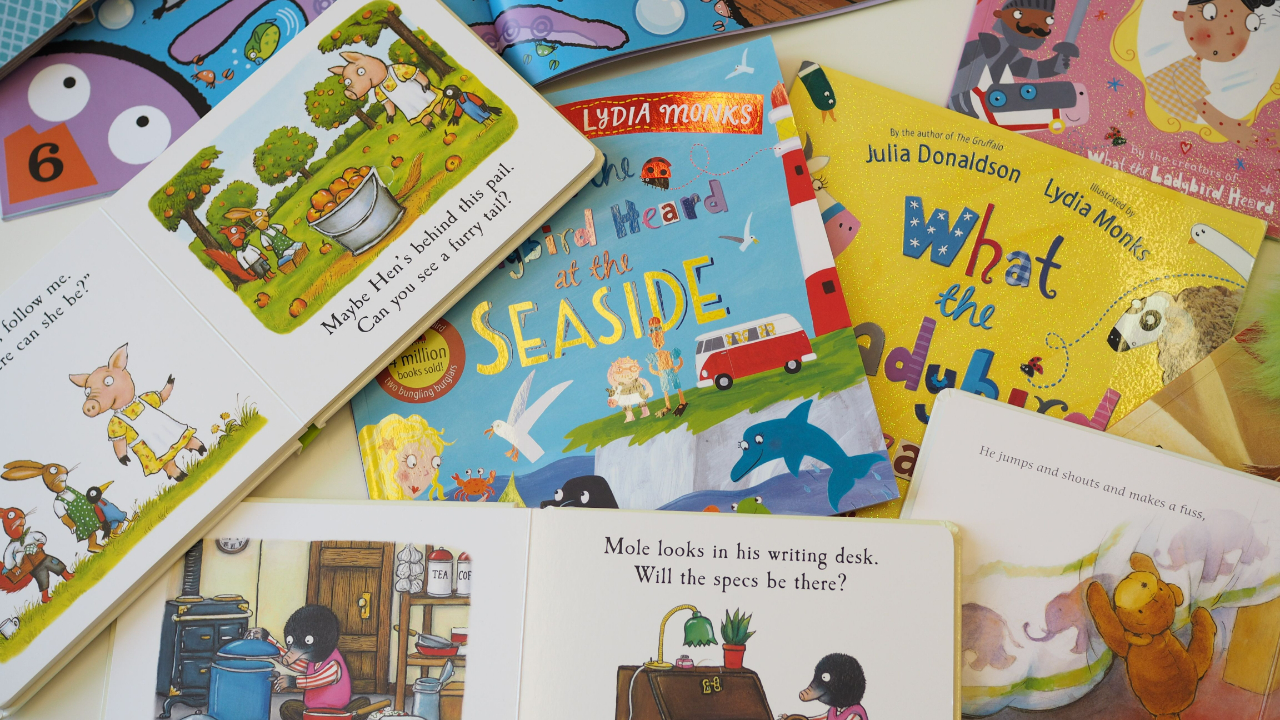
Rhyme time - Read rhyming books together (Julia Donaldson is your best friend here). Ask "what rhymes with 'dog'?" and enjoy the silly answers.
Clap the beats - Say a word and clap out the syllables together. "Dinosaur" = 3 claps, "Laura" = 2 claps. Great for the car or the dinner table.
Sound spotting - "I spy something beginning with the /s/ sound" (use the sound, not the letter name).
Odd one out - "Cat, car, hat — which one doesn't rhyme?" Start easy and make it trickier as confidence grows.
Blend it - Say a word in slow motion: "/d/ – /o/ – /g/" and ask them to blend it together. Then swap roles so they're the teacher, but blend some incorrectly and allow them to correct you.
So, to bring it all together: phonological awareness is about hearing and playing with sounds in spoken language. Phonics is about linking those sounds to written letters. Now that you know the difference, you're in a much better position to spot what your child might need, have more informed conversations with their teacher when it's time, and bring a little more sound-play into your everyday life together.
If this has been helpful, you might also enjoy these blog posts:
Is My Toddler Really Reading? How to Support a 2.5-Year-Old Who’s Starting Phonics Early
Less ‘Phonics Homework’, More ‘Phonics at Play Time’: Easy Phonics for Parents
How Singing, Music, and Movement Supercharge Your Child’s Phonics Learning

"What do I do with my child before phonics?"
The most important reading skills are taught before letter sounds are even introduced, but that little tidbit isn't widely known to parents... 👀
Download the free checklist of skills your child needs before learning to read.
Your information is safe and I will only send you nice things.